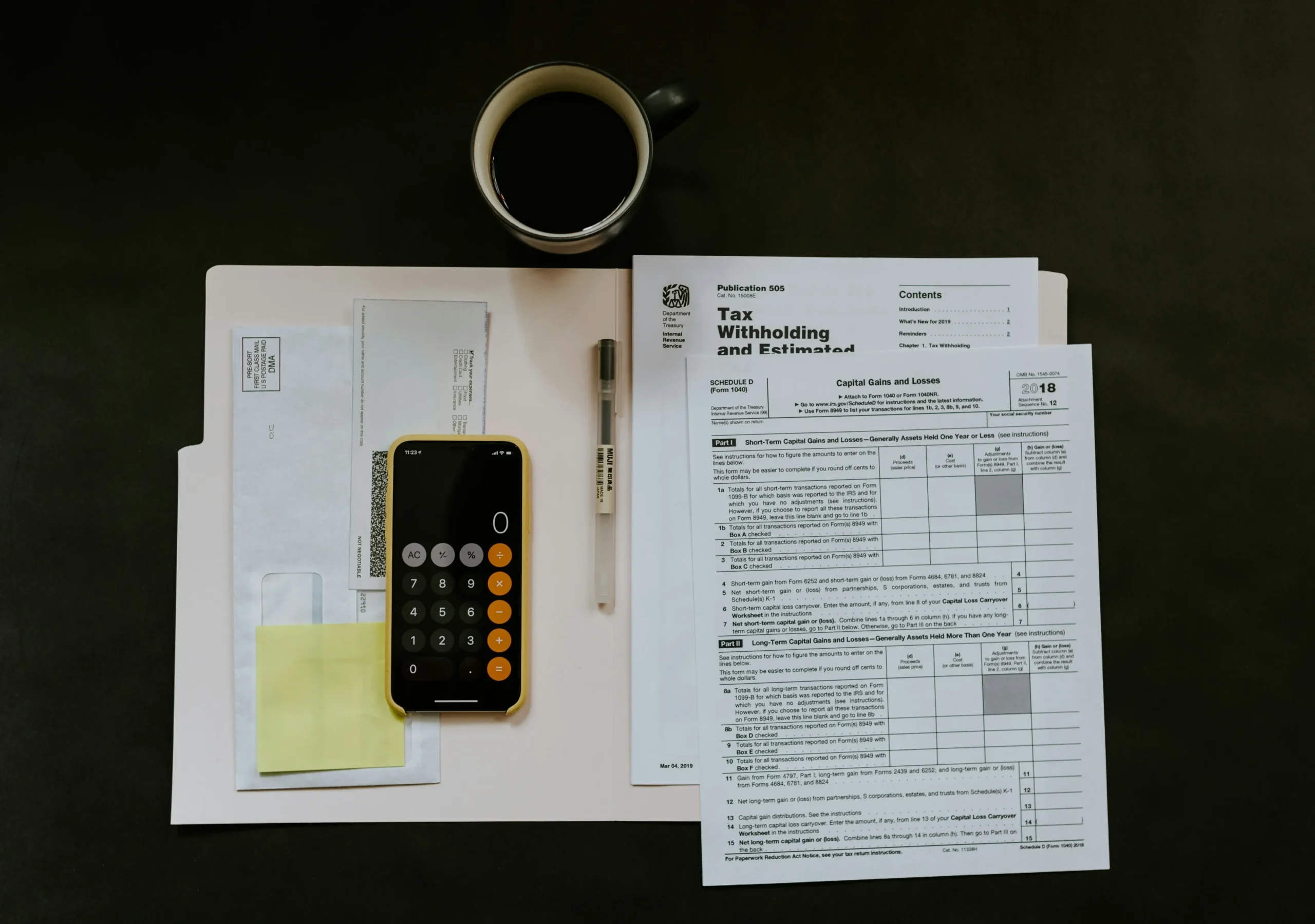
Double entry bookkeeping is a simple yet powerful way to track money in your business. This method records every business deal twice – once as money coming in and once as money going out. Think of it like a balance scale that must always stay even. When you buy supplies, you record the expense and the payment. This system helps you catch mistakes and shows exactly where your money goes. Every successful business uses double entry bookkeeping to keep their financial records clean and correct.
Understanding Double Entry Bookkeeping Basics
Double entry bookkeeping works on one simple rule: every transaction affects two accounts. When money moves in your business, it creates equal and opposite effects. For example, when you sell a product, you gain cash but lose inventory. Both sides must balance perfectly. This system dates back hundreds of years and remains the gold standard for business records. Professional bookkeepers rely on this method because it provides complete financial transparency.
The beauty of double entry lies in its self-checking nature. If your books don’t balance, you know something went wrong. This built-in error detection saves businesses countless hours of searching for mistakes. Small business bookkeeping becomes much easier when you understand these basic principles.
How Double Entry Bookkeeping Works in Practice
Every transaction in double entry bookkeeping involves debits and credits. Debits go on the left side, credits on the right. Assets and expenses increase with debits, while liabilities and income increase with credits. This might sound confusing at first, but it follows logical patterns. When you pay rent, you debit rent expense and credit cash. Both entries equal the same amount.
Bookkeeping services use this system because it creates a complete picture of business finances. Each entry tells a story about what happened to your money. Professional bookkeepers can quickly spot problems or trends by reviewing these entries. This systematic approach makes outsourced bookkeeping services more reliable and accurate.
Benefits of Using Double Entry Systems
Double entry bookkeeping offers several key advantages over single entry methods. First, it provides better accuracy through automatic error checking. Second, it gives you detailed financial statements like balance sheets and income statements. Third, it helps with tax preparation and compliance. Accounting services prefer this method because it meets all legal requirements for business records.
The system also helps with business planning and decision-making. You can see exactly how much money you owe, own, and earn. This clarity helps local businesses make smarter choices about spending and growth. Virtual bookkeeper services use these detailed records to provide valuable financial advice to their clients.
Common Mistakes in Double Entry Recording
Many business owners struggle with double entry bookkeeping at first. The most common mistake is forgetting to record both sides of a transaction. Another frequent error is mixing personal and business expenses. Some people also confuse debits and credits, especially for different account types. These mistakes can throw off your entire financial picture.
Professional bookkeeping services help prevent these errors through systematic processes and regular reviews. They understand the rules for different account types and ensure everything balances correctly. Outsource bookkeeping services often catch mistakes that business owners miss, saving time and preventing costly errors down the road.
Essential Tools for Double Entry Success
Modern bookkeeping relies heavily on software tools that automate much of the double entry process. These programs automatically create matching entries and flag imbalances. Popular options include cloud-based systems that virtual accountant services can access remotely. Many bookkeeping services for small business use these tools to serve multiple clients efficiently.
However, understanding the basics remains important even with automated systems. Software can make mistakes or be set up incorrectly. Experienced bookkeepers know how to verify that automated entries make sense and follow proper accounting principles. This knowledge helps ensure your business records stay accurate and reliable.
Record Keeping Requirements and Compliance
Businesses must maintain proper records for legal and tax purposes. Most experts recommend keeping business records for at least seven years, though some documents may need longer storage. How long does a business need to keep records depends on your industry and local regulations. Financial records, receipts, and tax documents typically require the longest retention periods.
Outsourced accounting services help businesses understand these requirements and maintain compliant records. They know how long do you need to keep financial records and can set up systems to organize and store documents properly. This professional guidance helps protect businesses during audits or legal issues.
Choosing Professional Support
Many businesses find double entry bookkeeping challenging to manage internally. Bookkeeping services offer expertise and time savings that often justify their involvement. Virtual bookkeeper options provide professional help without the overhead of full-time employees. These services handle complex transactions, prepare financial statements, and maintain accurate records.
Outsourced bookkeeping company partnerships work especially well for growing businesses. They provide scalability and expertise that adapt to changing needs. Whether you need basic book keeping services or comprehensive payroll and bookkeeping services, professional help ensures your financial records meet all requirements and support business growth.
Industry-Specific Applications
Different industries have unique bookkeeping challenges that benefit from double entry bookkeeping principles. Real estate professionals need bookkeeping for real estate agents that tracks commissions, property transactions, and client accounts. Construction companies require construction payroll services that handle complex job costing and equipment tracking.
Service-based local businesses benefit from systems that track time, materials, and customer payments. Bookkeeping Services Fort Worth TX and other regional providers understand local tax requirements and business practices. These specialized services ensure that industry-specific needs are met while maintaining proper double entry principles.
Technology and Modern Bookkeeping
Today’s bookkeeping business landscape includes many technological advances. Cloud-based systems allow virtual bookkeeper for small business services to work remotely while maintaining security. Automated bank feeds reduce data entry errors and speed up the reconciliation process. Mobile apps let business owners track expenses in real-time.
Booming bookkeeping business growth reflects the increasing demand for these technological solutions. Professional bookkeeping services combine traditional expertise with modern tools to deliver better results. This technology integration makes double entry bookkeeping more accessible and accurate for businesses of all sizes.
Building Financial Confidence
Double entry bookkeeping gives business owners confidence in their financial information. When you know your books balance and follow proper procedures, you can make decisions with certainty. This confidence extends to interactions with banks, investors, and tax authorities. Accurate records support loan applications and business valuations.
Bookkeeping services near me help local businesses build this financial confidence through proper record keeping. They provide regular reports that show business performance and highlight areas for improvement. This ongoing support helps businesses grow while maintaining strong financial foundations.
Frequently Asked Questions
- What makes double entry bookkeeping different from single entry?
Double entry records each transaction twice, creating automatic error checking and complete financial statements. Single entry only records transactions once, like a checkbook register. - How long do I need to keep business records?
Most businesses should keep financial records for seven years. However, how long to keep business records varies by document type and local regulations. Tax returns and supporting documents typically require the longest retention. - Can small businesses benefit from outsourced bookkeeping?
Yes, outsourced bookkeeping helps small businesses access professional expertise without full-time employee costs. Virtual bookkeeper services provide flexibility and scalability for growing companies. - What should I look for in bookkeeping services?
Look for experience with double entry bookkeeping, industry knowledge, and technology capabilities. Professional bookkeepers should understand your business needs and provide clear, regular communication.
Conclusion
Double entry bookkeeping remains the foundation of sound business financial management. This time-tested system provides accuracy, transparency, and compliance that every business needs. While the principles might seem complex initially, the benefits far outweigh the learning curve. Professional bookkeeping services can help implement and maintain these systems effectively.
Whether you choose to handle bookkeeping internally or outsource bookkeeping service needs, understanding double entry principles helps you make informed decisions. Your business records become more reliable, your financial statements more meaningful, and your business planning more effective. Investing in proper double entry bookkeeping practices sets the foundation for long-term business success and financial stability.