Why Do Businesses Get Audited? Simple Reasons Explained

Running a business comes with many responsibilities, and one of the biggest fears for owners is getting audited. If you’ve ever wondered “Why do businesses get audited?”, you’re not alone. Audits can feel stressful, but in most cases, they happen for clear and predictable reasons.

The good news? Once you understand those reasons, you can reduce your risk and keep your business on the safe side—especially if you’re managing small business bookkeeping Fort Worth, Texas operations.

Why do businesses get audited?
Businesses get audited mainly due to tax errors, unusual financial activity, poor recordkeeping, or compliance issues. Authorities like the IRS review businesses to ensure accurate reporting and legal compliance.

What Does It Mean When Businesses Get Audited?

An audit is a detailed review of your financial records, tax filings, and internal processes. It checks whether everything is accurate, legal, and properly documented.

Audits may be conducted by:

  • Internal teams
  • External auditors
  • Government agencies like the IRS

If you’re working with professional bookkeeping services, your chances of errors—and audits—drop significantly.

Why Do Businesses Get Audited? Common Reasons Explained

Let’s break down the most common triggers in simple terms.

1. Tax Filing Errors and Inconsistencies

One of the biggest reasons businesses get audited is simple: mistakes.

Even small errors can raise red flags, such as:

  • Income that doesn’t match reported forms
  • Unusual deductions
  • Missing or incomplete data

For example, a retail store in Fort Worth, Texas reported high expenses but low income. This mismatch triggered an audit.

👉 Working with bookkeeping services in Fort Worth, Texas helps ensure your numbers are accurate and consistent.

2. Unusual or High Deductions

Claiming deductions is normal. But when deductions seem too high compared to your income or industry, it can attract attention.

Common red flags:

  • Excessive travel or meal expenses
  • Large charitable donations
  • Home office deductions that seem unrealistic

The best bookkeepers Fort Worth, Texas ensure deductions are valid and properly documented.

3. Sudden Revenue Growth

Growth is great—but rapid, unexplained growth can raise questions.

Authorities may want to confirm:

  • Whether income is reported correctly
  • If taxes are paid properly

For example, a startup suddenly doubling its revenue without clear financial records may get audited.

4. Too Many Cash Transactions

Cash-heavy businesses—like salons, restaurants, and small retail shops—face higher scrutiny.

Why?

  • Cash is harder to track
  • Underreporting is more common

If your business deals heavily in cash, maintaining proper records through bookkeeping services Fort Worth, Texas is critical.

5. Misclassifying Employees

Many businesses incorrectly label employees as independent contractors.

This matters because:

  • Employees require tax withholding
  • Contractors handle their own taxes

Misclassification can lead to penalties and audits.

6. Poor Recordkeeping

This is one of the most avoidable reasons businesses get audited.

Missing or messy records can include:

  • Lost receipts
  • Incomplete invoices
  • No clear financial statements

If you’ve ever searched for bookkeepers near me, it’s likely because managing records alone became overwhelming.

👉 A reliable affordable bookkeeper Fort Worth, Texas keeps your records clean and audit-ready.

7. Reporting Continuous Losses

If your business reports losses year after year, authorities may question whether it’s a real business or just a hobby.

This is common in:

  • Freelancers
  • Startups
  • Side businesses

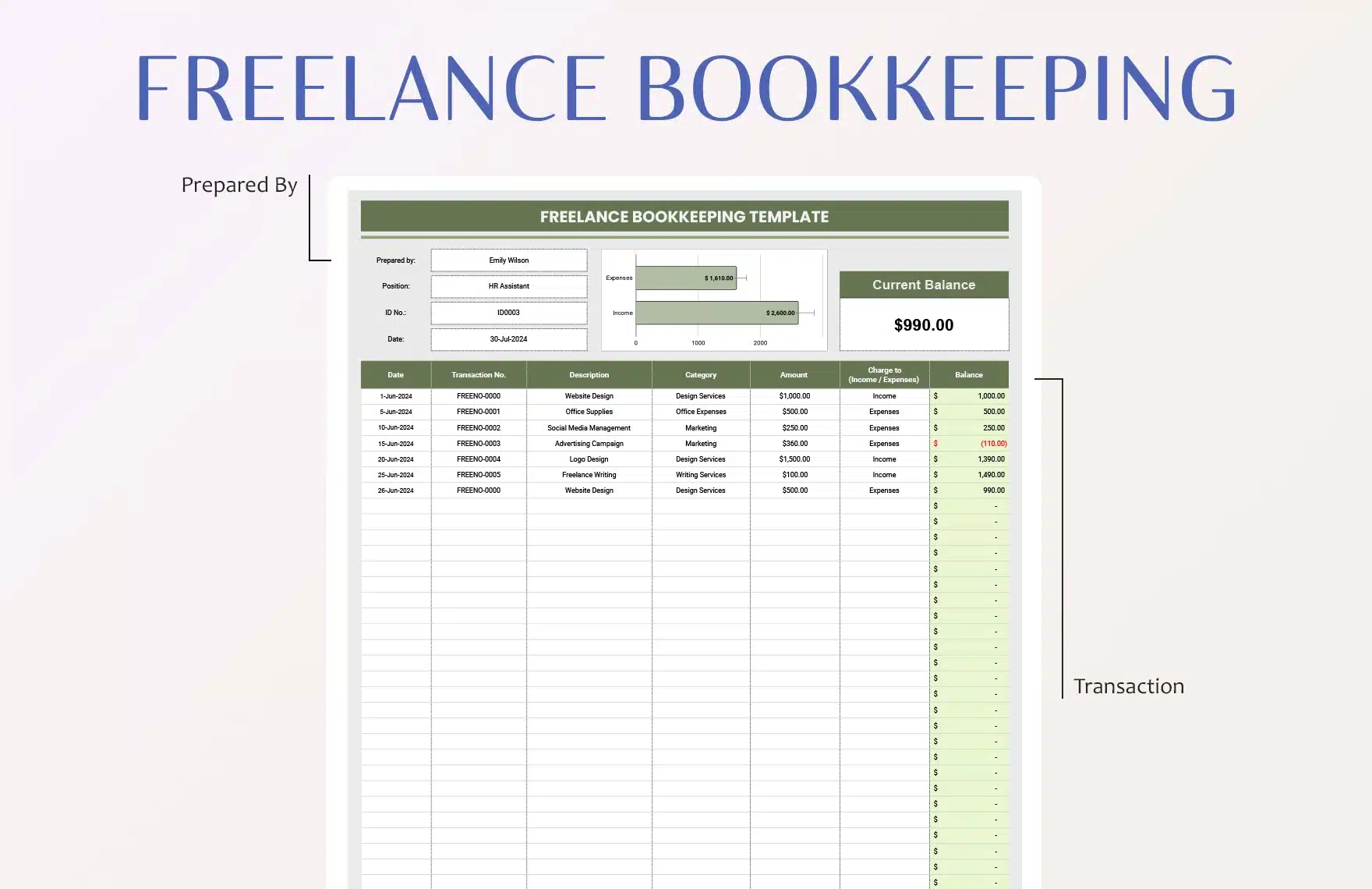
Using structured systems like freelance bookkeeping work for streamlined financial records can help maintain credibility.

8. Industry Risk Factors

Some industries are audited more often due to complexity.

High-risk industries include:

  • Construction
  • Healthcare
  • Retail

Businesses in these sectors benefit from top bookkeeping services Fort Worth, Texas to stay compliant.

9. Digital Transactions and Cryptocurrency (2025–2026 Trend)

Modern audits now focus on:

  • Online payments (PayPal, Stripe, etc.)
  • Cryptocurrency transactions

If income from these sources is not reported correctly, it can trigger an audit quickly.

How the IRS Chooses Businesses for Audit

The IRS doesn’t randomly pick businesses. It uses:

  • Data analysis and algorithms
  • Industry comparisons
  • Reporting inconsistencies
  • Third-party reports

They compare your business with others in your industry. If your numbers look unusual, you may get flagged.

Types of Business Audits

Understanding audit types helps reduce fear and improve preparation.

Financial Audit

Checks accuracy of financial statements.

Tax Audit

Focuses on tax returns and compliance.

Compliance Audit

Ensures you follow industry regulations.

Operational Audit

Reviews internal processes and efficiency.

Real-World Example (Fort Worth Business)

A small construction company in Fort Worth:

  • Reported high expenses
  • Had inconsistent payroll records

This triggered an audit.

After hiring Entikis Bookkeeping Services, they:

  • Cleaned up records
  • Fixed reporting errors
  • Avoided future audits

How to Reduce Your Audit Risk

Now that you understand why businesses get audited, let’s talk solutions.

1. Keep Accurate Records

Always maintain:

  • Receipts
  • Invoices
  • Bank statements

Professional bookkeeping companies help you stay organized year-round.

2. Use Professional Bookkeeping Services

Hiring experts reduces mistakes significantly.

If you’re unsure when to hire help, read:
👉 how to know when it’s time to hire a bookkeeper

3. Conduct Regular Internal Reviews

Monthly or quarterly checks help catch issues early.

4. Be Honest in Reporting

Avoid:

  • Inflating deductions
  • Hiding income

Transparency builds trust and reduces audit risk.

5. Use the Right Systems

Tools like QuickBooks or Xero help automate records.

If you’re starting fresh, check:
👉 start a bookkeeping business with no experience

Why Professional Bookkeeping Matters in Fort Worth

Businesses using bookkeeping services Fort Worth, Texas experience:

  • Fewer errors
  • Better financial clarity
  • Lower audit risk

Whether you’re a startup or growing company, working with top bookkeeping services ensures compliance.

FAQs: Why Do Businesses Get Audited?

1. How often do businesses get audited?

Less than 1% of small businesses are audited each year. However, risk increases with errors and inconsistencies.

2. Can small businesses get audited?

Yes. In fact, small businesses are often audited due to poor recordkeeping or tax mistakes.

3. What happens if I get audited?

You’ll receive a notice and need to provide documents like:

  • Tax returns
  • Financial statements
  • Receipts

4. How long does an audit take?

It can take a few weeks to several months, depending on complexity.

5. Can bookkeeping services prevent audits?

They can’t guarantee prevention, but they significantly reduce the chances by ensuring accurate records.

Conclusion: Stay Prepared, Stay Protected

So, why do businesses get audited?
The answer is simple—errors, inconsistencies, and lack of proper records.

But here’s the real takeaway:
Audits are preventable in most cases.

By:

  • Keeping clean records
  • Using professional bookkeeping services
  • Staying transparent

You can protect your business and grow with confidence. If you want to reduce risk and stay compliant, working with Entikis Bookkeeping Services is a smart step toward long-term success.

Ready to stop stressing over your books? Get your FREE 15-Min Bookkeeping Audit + Custom 2026 Plan. Fill the form below or call 817-415-1715